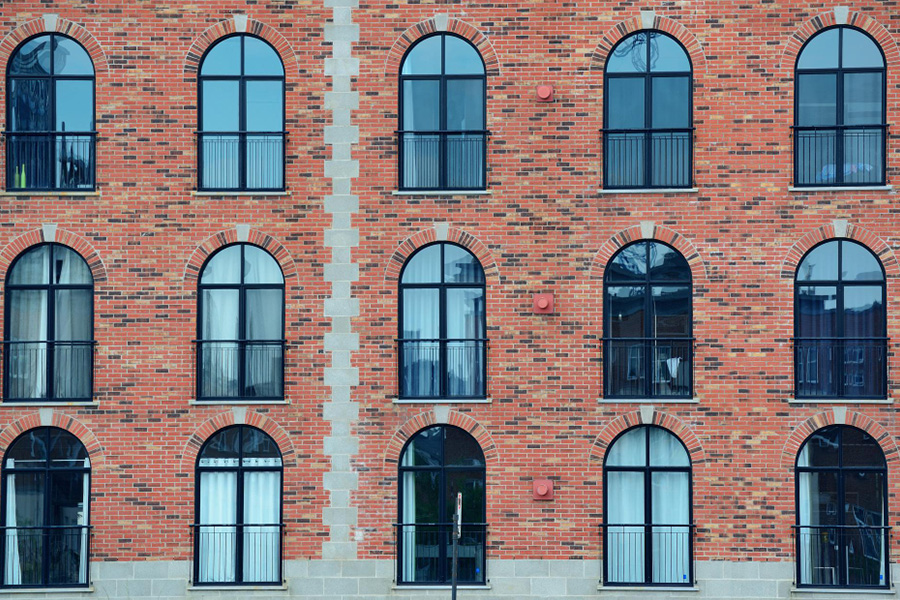
If you bought your home in the 1990s or early 2000s, there is a reasonable chance your windows and doors are white. Brilliant, Arctic, or somewhere in between, white uPVC dominated the market for decades and became the default choice for builders and homeowners alike. Times have changed, though. Today, colour is one of the most talked-about topics in home improvement, and uPVC is no longer the plain, utilitarian material it once was.
Whether you are renovating a period property, building a new extension, or simply refreshing the look of your home, understanding your colour options for uPVC windows and doors is well worth your time.
Why Colour Has Become So Important
Kerb appeal has never mattered more. With property prices high and the housing market competitive, homeowners are investing in the exterior of their properties in ways that simply were not common a generation ago. Windows and doors make up a significant portion of a home’s visible facade, so their colour has a considerable impact on overall appearance.
There has also been a cultural shift. Programmes like Grand Designs and the explosion of home renovation content on social media have educated and inspired homeowners to think more boldly. Grey, anthracite, and slate tones became enormously fashionable through the 2010s, and while they remain popular, there is now a broader appetite for greens, blues, creams, and even bolder choices.
What Is A Colour Coating And How Does It Work?
A professional colour coating is one of the most cost-effective ways to change the appearance of existing uPVC frames without replacing them entirely. Rather than ripping out perfectly functional windows and doors, a specialist applies a durable spray coating directly to the surface, transforming the colour and finish in a fraction of the time and cost of a full replacement.
The process typically involves cleaning and preparing the surface, lightly abrading it to ensure adhesion, applying primer where necessary, and then spraying on the chosen colour in multiple coats. A quality job will leave a smooth, even finish that is resistant to fading, chipping, and the kind of weathering that uPVC surfaces face year-round in the UK climate.
Choosing The Right Colour
There are no strict rules here, but there are some sensible guidelines worth considering.
For traditional and period properties, heritage shades tend to work best. Sage green, duck egg blue, slate grey, and cream all sit comfortably against brick, stone, and render finishes typical of older British homes. Racing green has seen a particular resurgence in recent years, especially on Victorian and Edwardian terraces.
For newer builds, the choices are broader. Anthracite grey remains a firm favourite for contemporary homes, offering a clean and modern aesthetic that pairs well with aluminium-look fascias and minimal landscaping. Charcoal and black are bolder options that can look striking when used consistently across windows, doors, and any bi-fold or patio openings.
If your home sits in a conservation area or is listed, it is worth checking with your local planning authority before making changes. Some areas have guidance on acceptable colours, particularly for windows and doors facing the street.
Matching Doors And Windows
One question homeowners often face is whether to match their front door to their windows or use a contrasting colour. Both approaches can work well, but consistency generally creates a more cohesive look. If you opt for contrast, keep it intentional rather than incidental — a bold door in a complementary shade can become a focal point, while a random mismatch can look unplanned.
Do not forget to consider the colour of your guttering, fascias, and soffits when making your decision. These elements are part of the overall picture, and a mismatch here can undermine an otherwise well-considered scheme.
Longevity And Maintenance
A professionally applied coating should last many years with minimal maintenance. Regular cleaning with a mild detergent and soft cloth is usually all that is needed to keep the finish looking its best. Avoid abrasive cleaners or harsh solvents, which can dull or damage the surface over time.
If the coating is applied correctly and with quality materials, you should expect a lifespan that comfortably rivals that of factory-coloured frames. The key is choosing a reputable specialist with a proven track record and, ideally, a workmanship guarantee.
Is It Worth It?
For most homeowners, the answer is yes. Updating the colour of your windows and doors is one of the more impactful exterior changes you can make relative to cost. It refreshes the appearance of the whole property, can increase kerb appeal significantly, and avoids the disruption and expense of a full window replacement.
Whether you are after a subtle refresh or a dramatic transformation, understanding your options is the first step. Take your time, gather samples where possible, and consider how your chosen colours will look across different light conditions throughout the day.