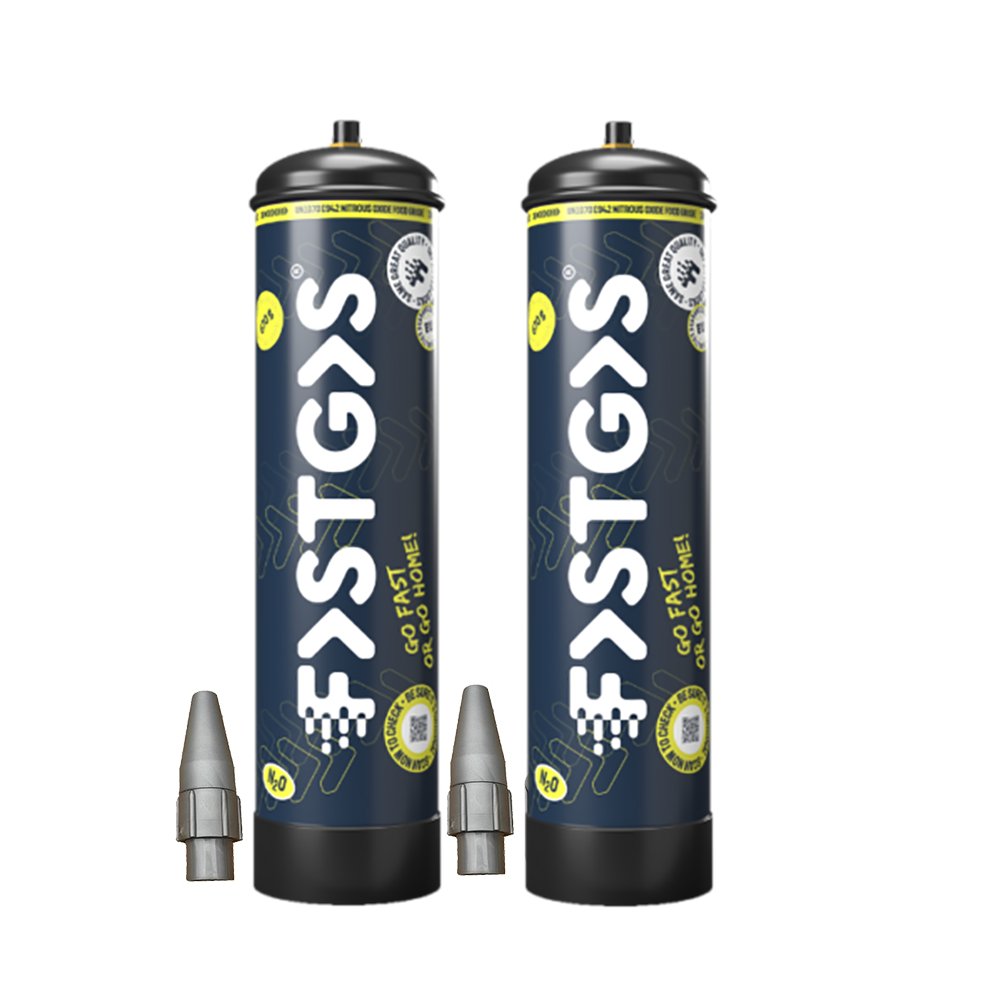
Looking for a way to refuel quickly and efficiently? Fast gas stations are the ideal solution for those on the go. Offering a convenient pit stop for drivers in need of a swift fill-up, fast gas stops have revolutionized the way we refuel our vehicles. With their streamlined approach and speedy service, these stations cater to the needs of modern-day motorists. Say goodbye to long wait times and hello to the fast gas experience that keeps you moving forward.

Unleashing the Power of Fast Gas: A Comprehensive Guide
Have you ever wondered about the magic behind the gas that powers our cars, heats our homes, and fuels our industries? Gasoline, commonly known as “fast gas” for its ability to provide quick energy, plays a crucial role in our daily lives. In this article, we will delve deep into the world of fast gas, exploring its origins, composition, uses, and environmental impact. So buckle up as we take a fascinating journey through the realm of fast gas!
The Birth of Fast Gas
Fast gas, or gasoline, wasn’t always the go-to fuel for our vehicles. Its history dates back to the 19th century when the first internal combustion engines were being developed. Initially, gasoline was merely a byproduct of the oil refining process, considered a waste product and often discarded. However, as the demand for more efficient and powerful engines grew, gasoline emerged as the perfect solution. With its high energy density and ease of combustion, gasoline revolutionized the way we travel and live.
The Chemistry Behind Fast Gas
What makes fast gas so, well, fast? The secret lies in its chemical composition. Gasoline is a mixture of hydrocarbons, compounds made up of hydrogen and carbon atoms. These hydrocarbons come in different forms, from simple chains to complex rings, each contributing to the overall performance of the fuel. When gasoline is ignited in an engine, these hydrocarbons break down into smaller molecules, releasing energy that propels the vehicle forward. The efficiency of this process is what gives fast gas its speed and power.
Octane Rating: The Key to Performance
If you’ve ever filled up your car, you may have noticed the term “octane rating” displayed at the pump. But what does it actually mean? The octane rating of gasoline indicates its resistance to knocking, a phenomenon that occurs when fuel ignites prematurely in the engine. Higher octane fuels are less prone to knocking, allowing for smoother combustion and better performance. So, the next time you’re at the gas station, consider opting for a higher octane fuel to give your vehicle that extra boost!
Unleashing the Power of Fast Gas
From the roar of engines on the race track to the warmth of a cozy fireplace, fast gas fuels a wide range of applications. In the automotive world, gasoline powers everything from compact sedans to high-performance sports cars, delivering the speed and acceleration that drivers crave. Beyond transportation, fast gas is also used in industries such as manufacturing, agriculture, and aviation, where reliability and efficiency are paramount. The versatility of gasoline makes it a cornerstone of modern society’s energy needs.
Environmental Considerations
While fast gas offers convenience and power, its impact on the environment cannot be ignored. The combustion of gasoline releases carbon dioxide and other pollutants into the atmosphere, contributing to climate change and air pollution. As we strive towards a more sustainable future, reducing our reliance on fossil fuels like gasoline is essential. The development of alternative fuels and the adoption of cleaner technologies are key steps in mitigating the environmental impact of fast gas.
Embracing a Greener Future
As we look ahead, the future of fast gas is evolving. Innovations in biofuels, electric vehicles, and hydrogen-powered technology are shaping a greener landscape for transportation and energy production. Biofuels derived from renewable sources offer a more sustainable alternative to traditional gasoline, reducing greenhouse gas emissions and promoting energy security. Electric vehicles powered by clean electricity are gaining popularity, providing a zero-emission solution for urban mobility. And hydrogen fuel cells hold the promise of efficient and emission-free energy production.
In conclusion, fast gas, with all its speed and power, has been a driving force behind our modern way of life. While it has served us well for decades, the time has come to embrace cleaner and more sustainable alternatives. By exploring new technologies and adopting greener practices, we can pave the way for a healthier planet and a brighter future. So let’s harness the power of innovation and steer towards a more sustainable tomorrow.
smartwhip 580g
Frequently Asked Questions
What is fast gas and how does it differ from regular gas?
Fast gas is a specialized type of fuel designed for high-performance vehicles or situations where quick acceleration and power are essential. Unlike regular gasoline, fast gas is formulated with additives to improve combustion efficiency and enhance engine performance.
Can any vehicle use fast gas, or is it only suitable for specific cars?
Fast gas is typically recommended for high-performance vehicles, sports cars, and muscle cars that require higher octane levels to maximize engine power and efficiency. Using fast gas in regular vehicles that do not require it may not provide any significant benefits and could be more costly.
Are there any drawbacks to using fast gas in a vehicle that doesn’t require it?
Using fast gas in a vehicle that doesn’t need it may not only be unnecessary but also lead to increased fuel costs without noticeable improvements in performance. Additionally, the higher octane levels in fast gas may not be compatible with some engines, potentially leading to engine knock or other issues.
How can I determine if my vehicle needs fast gas or if regular gas is sufficient?
To find out if your vehicle requires fast gas, refer to the owner’s manual or check for any labels near the fuel cap indicating the recommended octane level. High-performance and sports cars typically specify the minimum octane rating needed for optimal performance.
Final Thoughts
In conclusion, fast gas is a pivotal factor in optimizing vehicle performance. From enhancing acceleration to improving fuel efficiency, fast gas plays a crucial role in maximizing engine power. Drivers seeking a competitive edge on the road must prioritize fast gas to stay ahead. Embracing the benefits of fast gas can lead to smoother rides and increased overall satisfaction behind the wheel.